Works
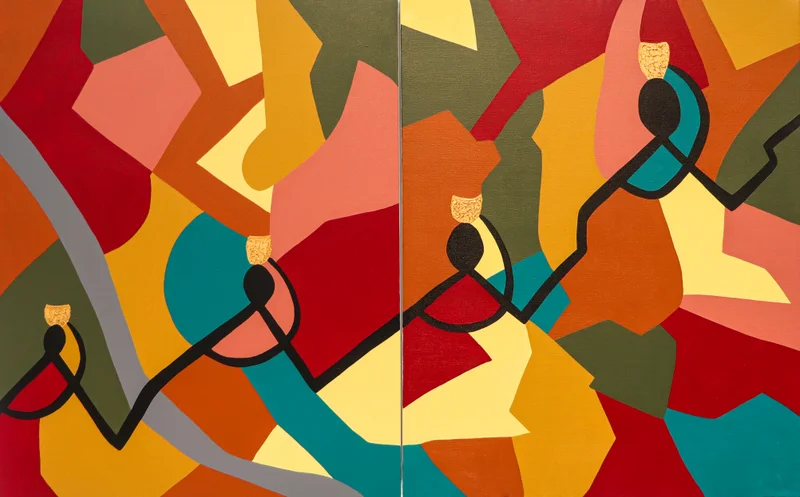
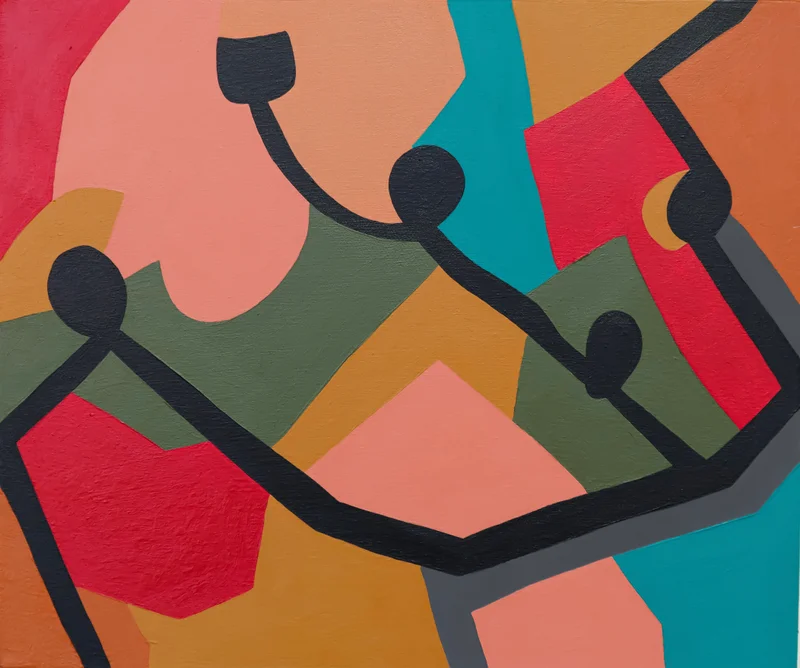
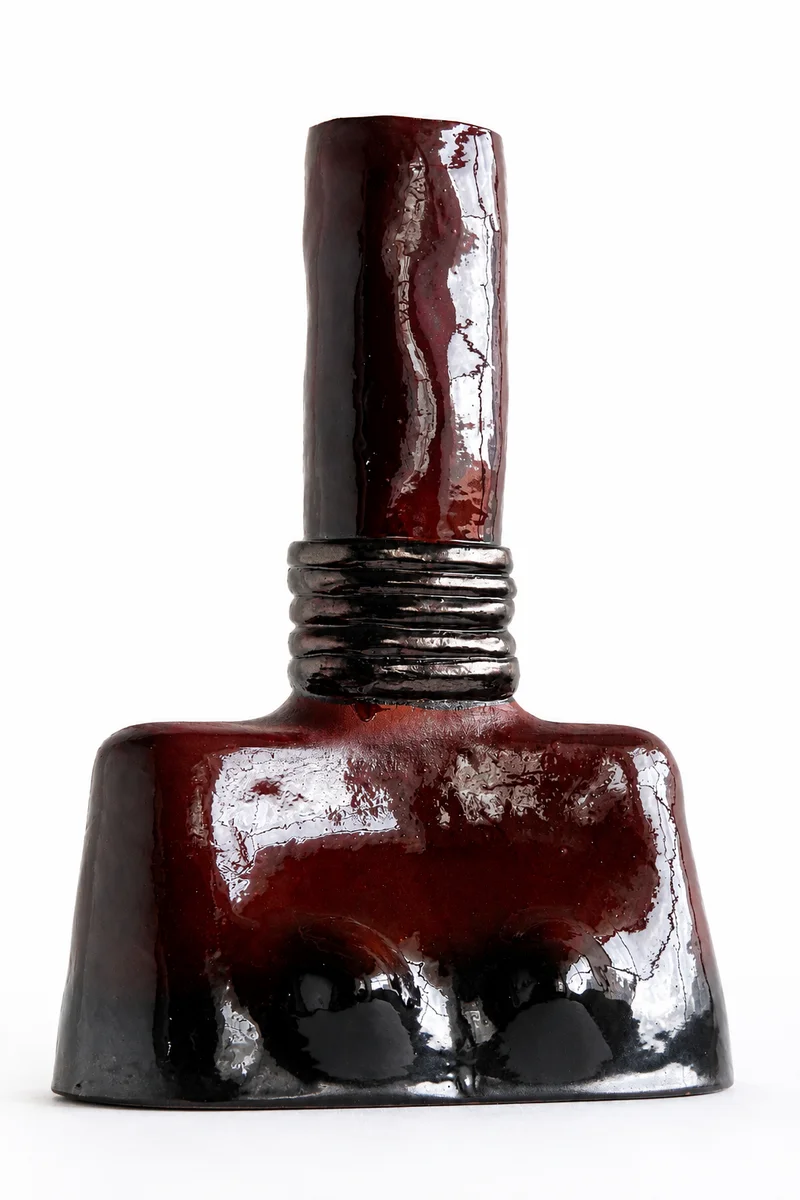
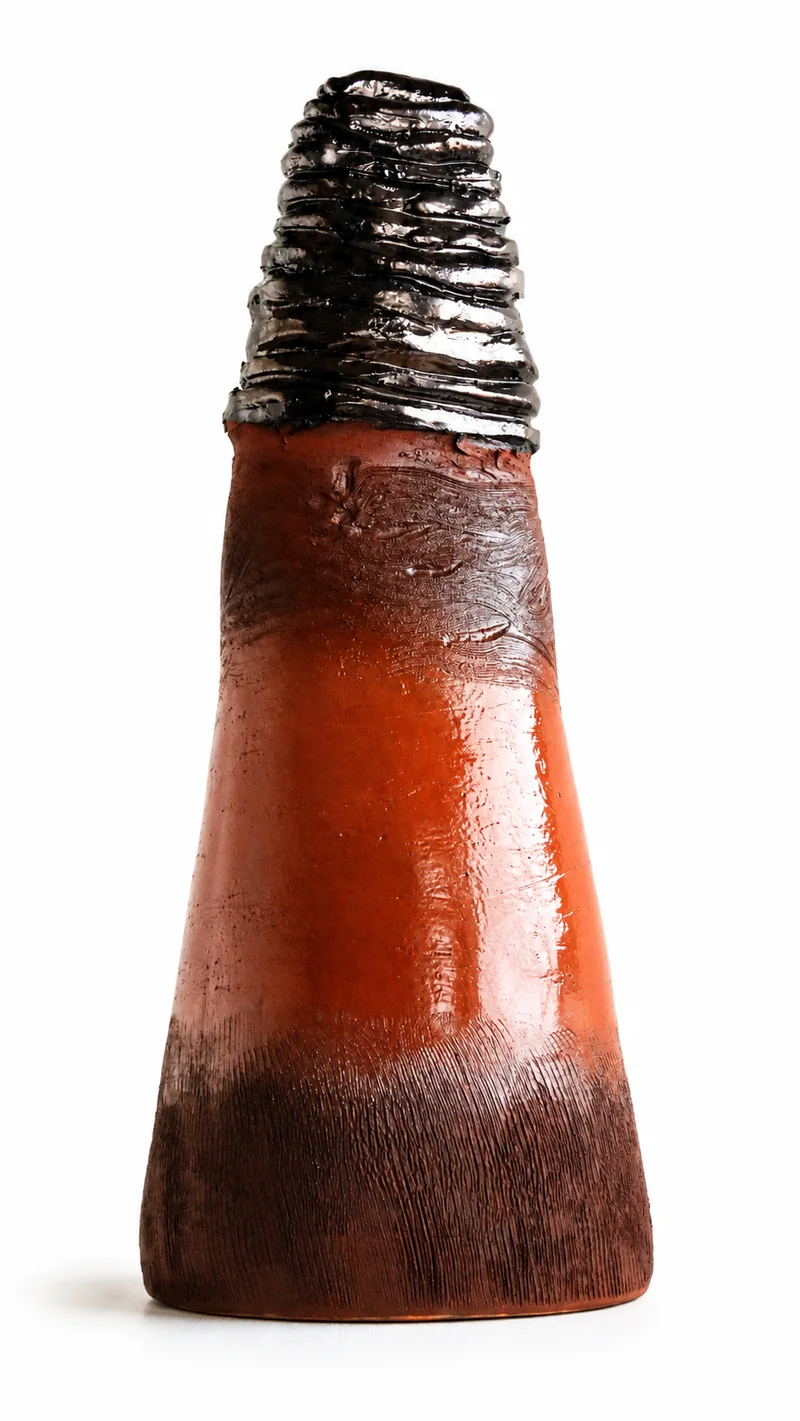
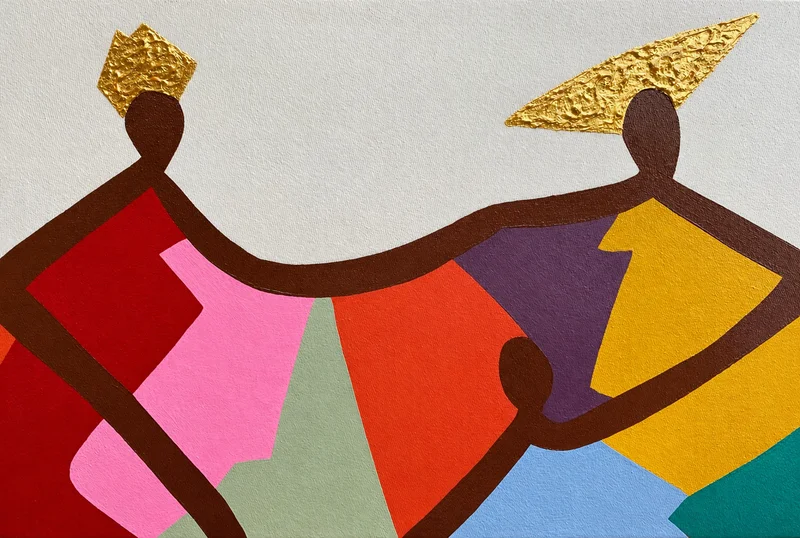
Thobile Pamela “Sana King” Mavuso (B.1999) is an award-winning multidisciplinary artist, poet, researcher, curator and creative entrepreneur based in Johannesburg, South Africa. Working across painting, sculpture, printmaking, installation, photography and public art, her practice is rooted in storytelling, with Nguni idioms and proverbs serving as important vehicles for knowledge, memory and cultural preservation. Deeply informed by her Ndebele heritage, spirituality and her matriarchal upbringing, Sana creates work that attends to women’s lives, labour, knowledge and cultural contributions. Through vibrant colour, symbolism and layered narratives, she explores identity, ancestry, healing, belonging and the ways inherited knowledge is carried across generations. Her engagement with uMgwalo, the visual language and writing practice of Ndzundza Ndebele women, has become central to her artistic and research practice. Sana holds a Bachelor of Arts in Fine Arts and a Master of Fine Arts, with Distinction, from the University of the Witwatersrand. Her master’s research examined the critical offerings of uMgwalo as an indigenous knowledge system, contributing to its recognition within contemporary art discourse. Her interdisciplinary practice has developed alongside a significant literary career: her debut poetry anthology, Songs Broken Women Sing: A Hymn of Healing, received the Poetry Book of the Year Award at the South African Authors Awards in 2019.
“My practice spans painting, sculpture, printmaking, installation and mixed media to explore women's lived experiences, knowledge systems and societal contributions. My work is deeply informed by my Ndebele identity and, more personally, by the women who raised me. Growing up in a matriarchal-led family has given me an enduring curiosity about women: what they carry, create, endure, and the knowledge they pass on. Language is equally central to my practice, including the titles I give my work. I draw from Nguni proverbs because they carry more than words; they hold knowledge, values and histories, which I reimagine through colour, form and material, allowing language to become visual in turn. This is where uMgwalo, the visual language and writing practice of Ndzundza Ndebele women expressed through mural painting and beadwork, becomes central to my practice, particularly in painting. I engage with uMgwalo not as a visual style, but as a living language and knowledge system connecting me to histories and relationships carried through generations. My colours are informed by the natural pigments first used by abagwali in this practice, carrying a connection to their origins. In one recent body of work, I made a ceramic mural from terracotta clay incorporating seventy-three motifs drawn from this tradition, imprinted across the sculptural surface to reference the visual codes through which uMgwalo has been taught from mother to daughter. The firing process, which permanently hardens the clay, speaks to my interest in monuments and the desire to preserve this knowledge.”