Works
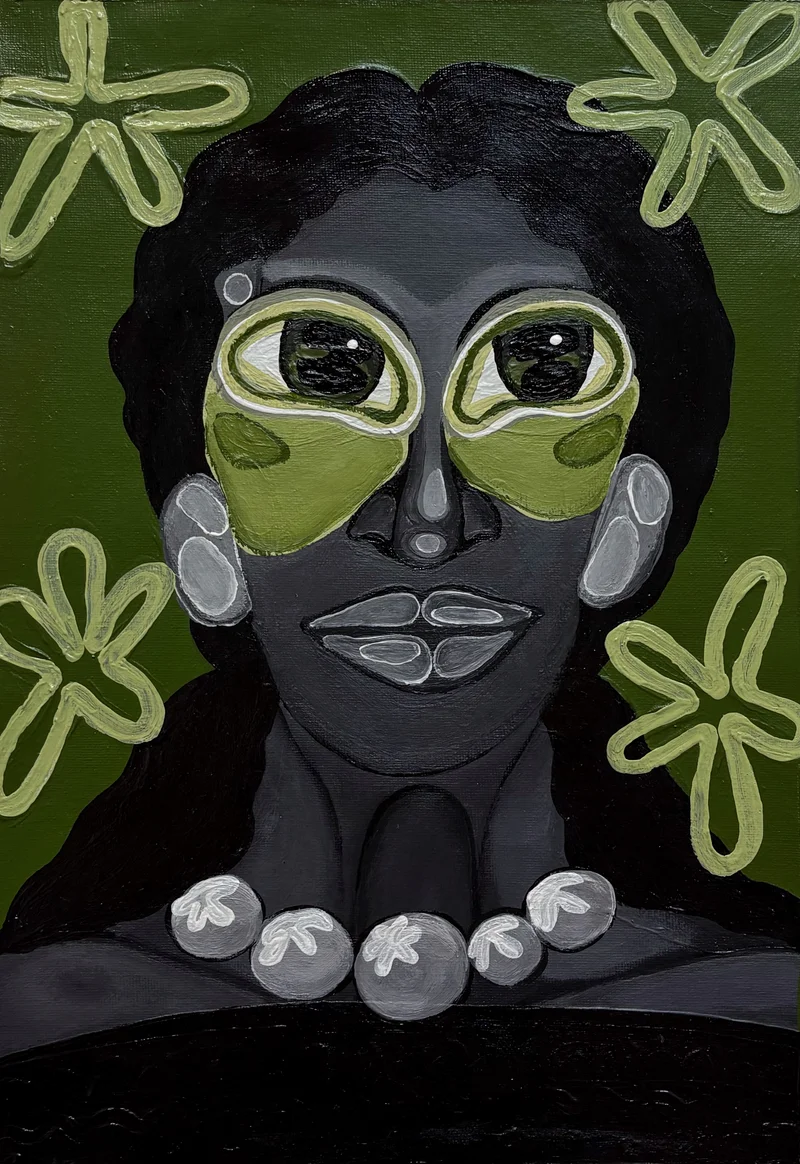
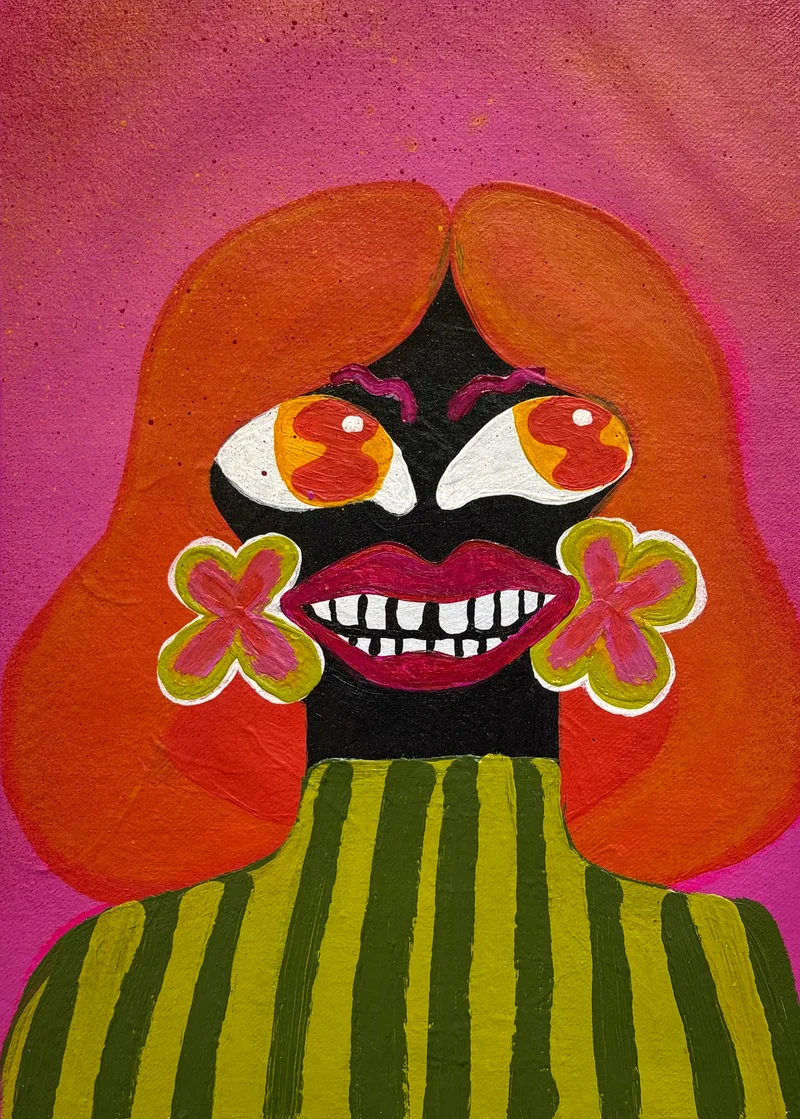
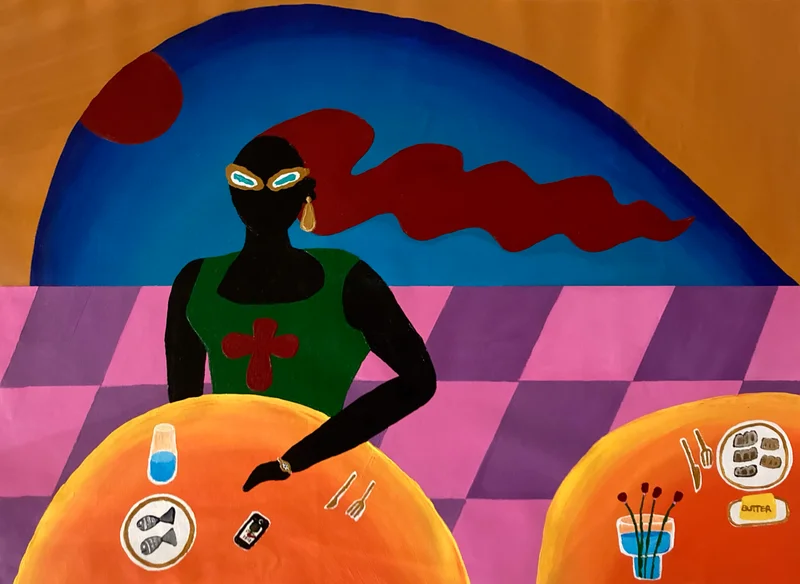
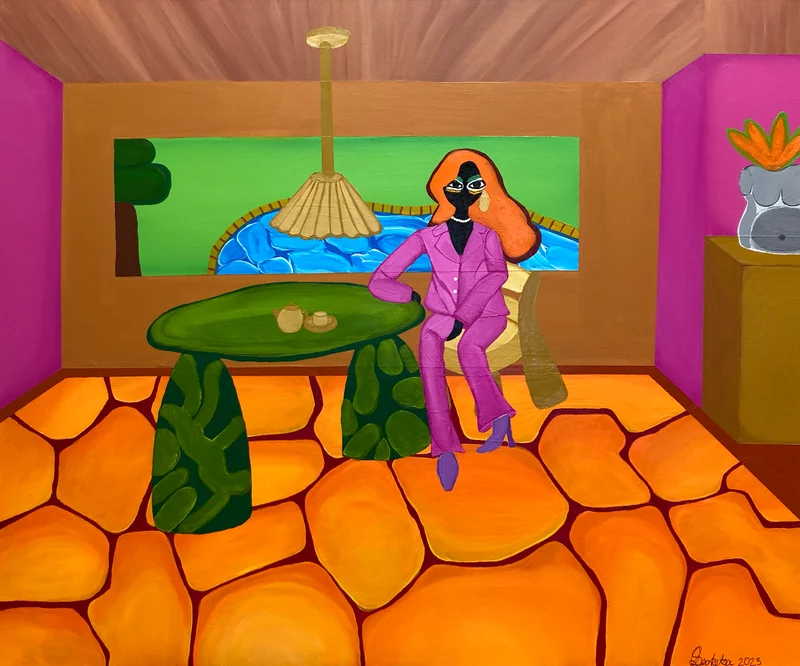
Lesego Seoketsa is a South African interdisciplinary artist working primarily in photography and painting. Her practice investigates the construction of African womanhood within postcolonial and late-capitalist frameworks, with particular attention to beauty, adornment, and aspiration as social and economic signifiers. Through an engagement with personal and collective histories, her work examines how identity is negotiated amid imperial legacies, consumer culture, and contemporary modes of self-presentation. Seoketsa’s work situates beauty as both a survival strategy and a site of critique, exploring its role in mediating access, belonging, and visibility. By juxtaposing ancestral imaginaries with modern aesthetic economies, she interrogates the tensions between heritage, assimilation, and autonomy. Her practice combines documentary impulses with abstraction, using material experimentation to reflect on performance of identity, spirituality, and liberation within present- day social structures. Her work has been featured in several publications, including: The Sunday Times, WePresent by WeTransfer, Elle Magazine India, Holland Herald in flight Magazine, and Glamour Magazine South Africa.
“My work explores how African women navigate identity and liberation within a postcolonial world, using beauty as a language of survival, aspiration, and self-expression. Through engaging my heritage, I have come to understand that independence is not the same as agency. Autonomy requires self-definition beyond inherited narratives, and it is through contrast, between past and present, excess and restraint, belonging and alienation, that the dimensions of freedom become visible. In South Africa’s post-apartheid reality, the promise of liberation remains unfinished. Late-stage capitalism and the political landscape amplifies this tension: the collective pursuit of wealth and upward mobility reflects not only material survival, but a longing to access forms of abundance once withheld. Within my community, displays of aspiration operate as both aesthetic language and survival strategy. Beauty and adornment function as social currency. The quality of a wig, the precision of nails, the maintenance of the body, these choices communicate belonging, and respectability. I understand beauty as an economy of womanhood, a system of self-presentation through which we negotiate modernity. While these practices offer visibility and access, they also reveal the pressures to conform to capitalist and Western ideals. I contrast these contemporary aesthetics with imagined ancestral practices of care, rituals and plant medicines rooted in spirituality rather than performance. Photography allows me to document these negotiations as they exist now, while painting enables abstraction and reinterpretation, filtered through the gaze of my inner child, still learning the rules of engagement. There is fascination in this process, but also grief: our presentations often mirror submission to systems that commodify identity. Western ideals promise inclusion but demand assimilation. Hair relaxers, beauty products, luxury brands, and colonial languages become tools through which African identity is rendered legible and “acceptable.” In navigating these systems, fragments of ancestral self are often lost. My work explores this fragmentation through innocence, play, and visual excess, while holding space for repression and desire. Ultimately, my practice asks whether ancestral identity can endure within the architecture of empire, or whether liberation requires reshaping that architecture from within. I seek to reclaim beauty as a site of memory, power, and play, a language through which African identity can speak to itself anew.”